And why baseline curiosity matters.
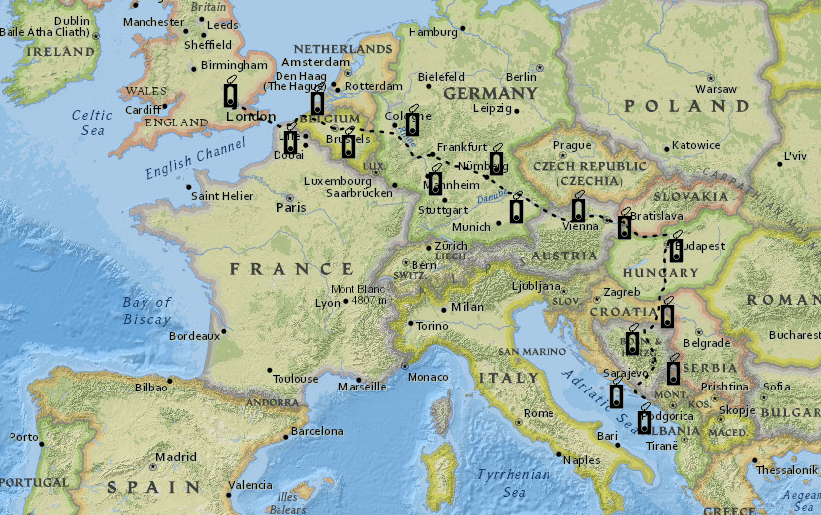
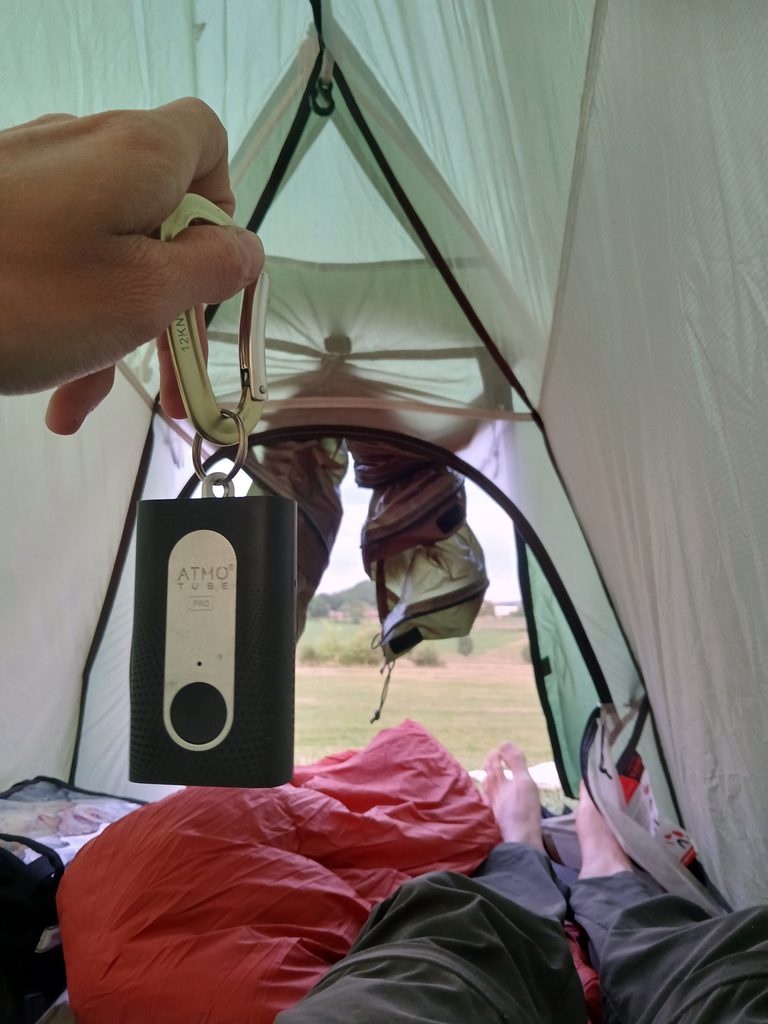
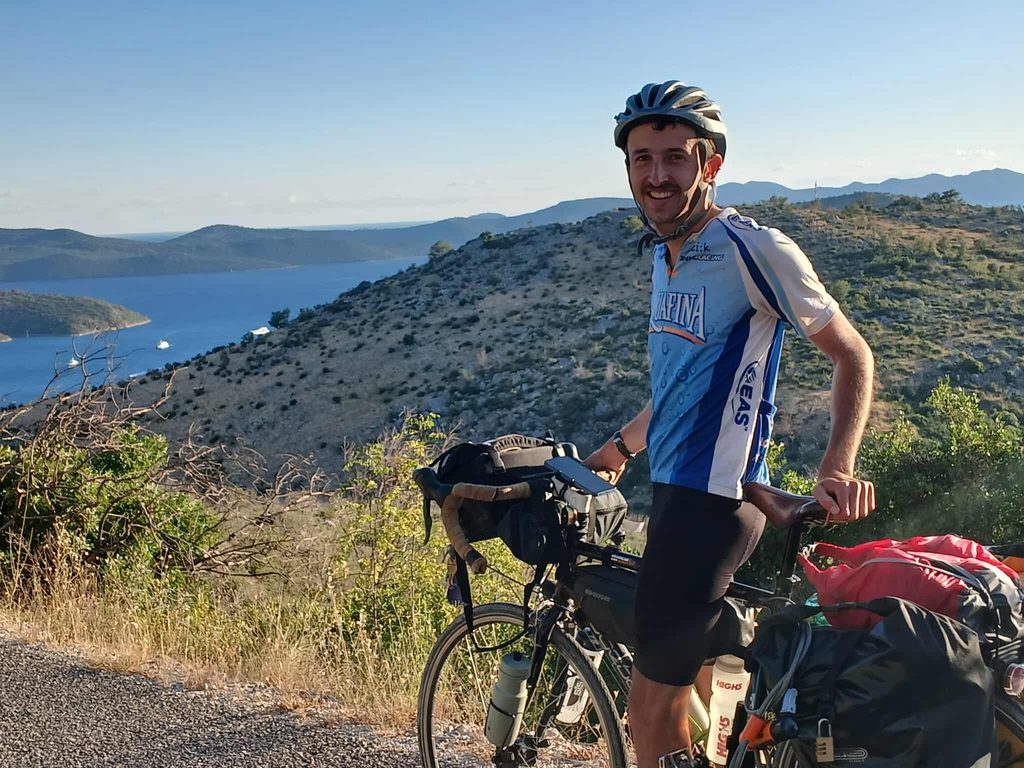
Last year I rode my bike. Alongside this I also made my first foray into integrating citizen science with travel, taking a more curious mindset with me outside of the city. For a month in summer I traversed Europe with two wheels, a couple of spare inner tubes, a tent, sleeping bag, camping stove, and a portable air quality monitor (an Atmotube Pro in this instance). The intention of this was never to uncover the continent’s dirtiest roads or to flee to its cleanest forests, but simply to integrate a casual approach to using citizen science to keep me conscious, curious and more connected with my surroundings.
In an era where air quality monitoring only reaches our news feeds when things are going wrong (I’m thinking dramatic wildfire-driven pollution events, or London’s winter skyline with an thick smog of trapped exhaust gases) we generally view monitoring as a reactive tool, necessary only in response to long term environmental destruction and mismanagement. We’ve been conditioned to check these numbers only when we can already feel that the air has turned sour.
For most of the trip, however, my monitor remained stubbornly blue (blue in this case indicates clean/excellent air on the Atmotube Pro). Particulate matter (PM) numbers generally stayed low and aside from some brief spikes when passing through a big city or cooking on the camping stove the air was, by most technical measures, pretty clean. At first this brought about a strange and somewhat anticlimactic feeling. Coming from London, I was a bit more used to sharp spikes driven by obvious pollutant sources and pathways – think waiting on the platform for a Northern Line train. But what’s the story if nothing is wrong?
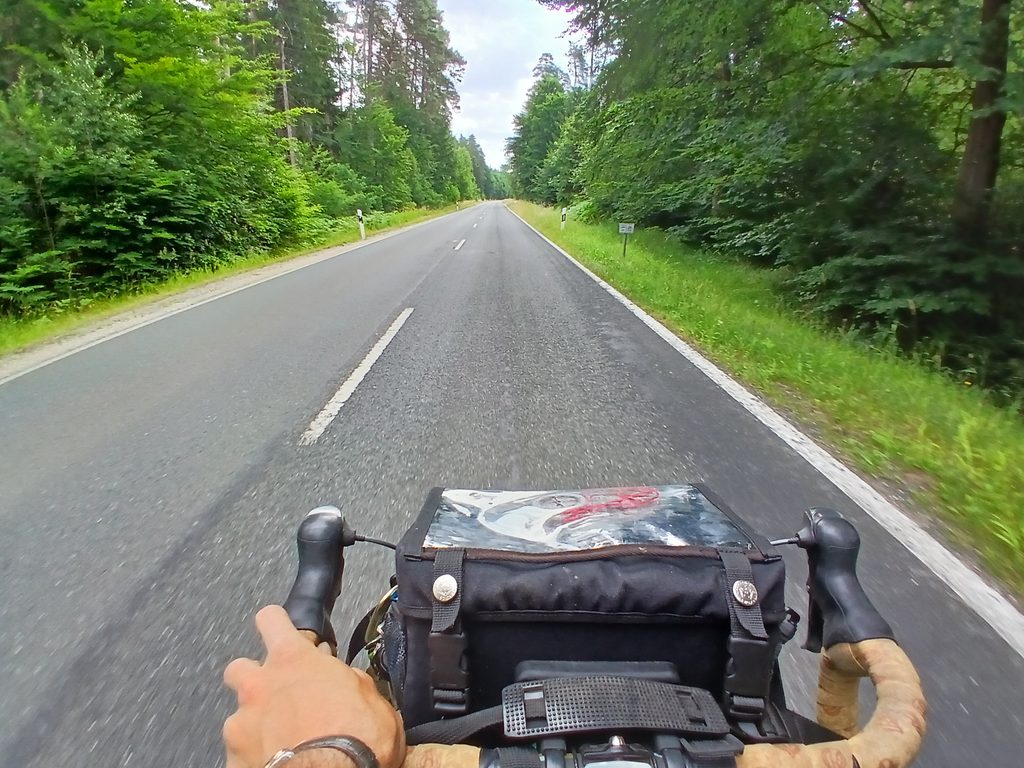
However, as the trip went on my perspective shifted as I realized that waiting to capture just the bad, i.e. using my Atmotube purely as a detector for intense hazard was missing the point of being a (citizen) scientist. A lack of significant pollution wasn’t a null-outcome, it was simply a baseline, and learning what this baseline feels like across such a varied range of places is a key part of the environmental science story.
Without any discrete bad events to think about, the monitor became a lens for micro-observations, transforming sometimes monotonous pedalling into a more active conversation with the landscape, and proving that air quality isn’t just a simple binary narrative of “dirty cities” and “clean countryside”.
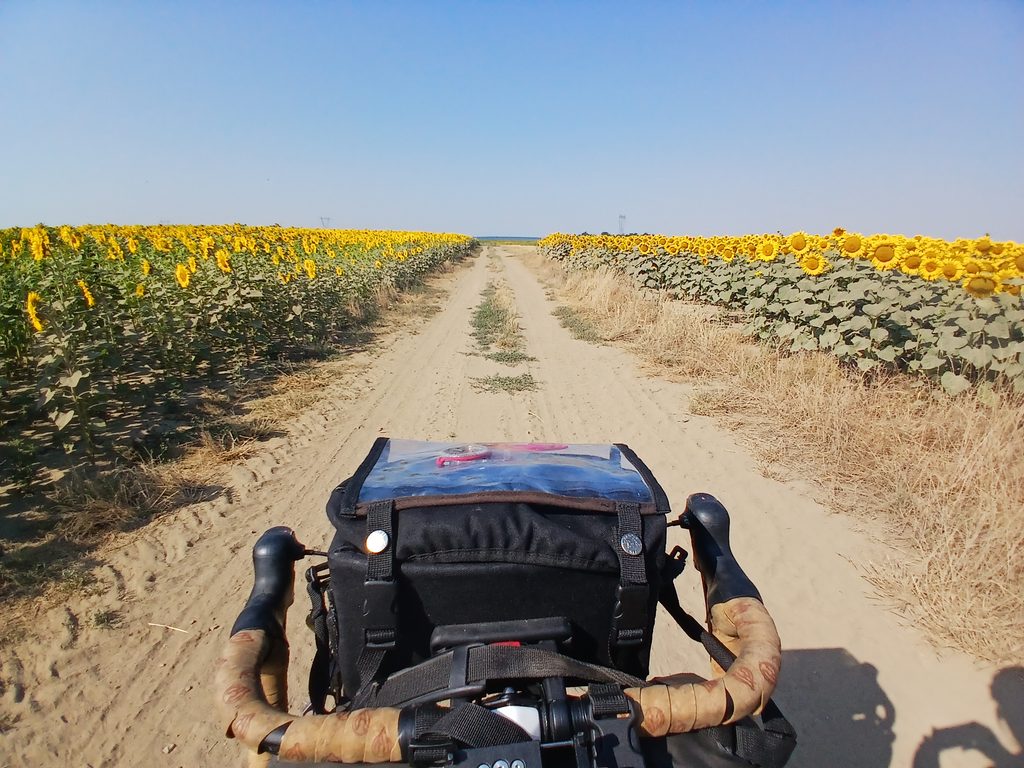
- We tend to associate rural areas with cleaner air, yet moving through agricultural regions consistently yielded surprisingly poor air quality scores, driven by elevated VOC (Volatile Organic Compounds) pollution. One explanation for this is that the summer sun causes the vegetation and soils to release natural biogenic compounds. The danger isn’t necessarily these plant emissions themselves, but what happens next: in the heat, biogenic VOCs react with sunlight and background nitrogen oxides (NOx) to trigger the formation of ground-level ozone which acts as an irritant. A subtle reminder that a lack of the built environment doesn’t always correlate with clean and without traditional air pollution sources present (e.g., vehicles and industry), subtle natural risks still remain.
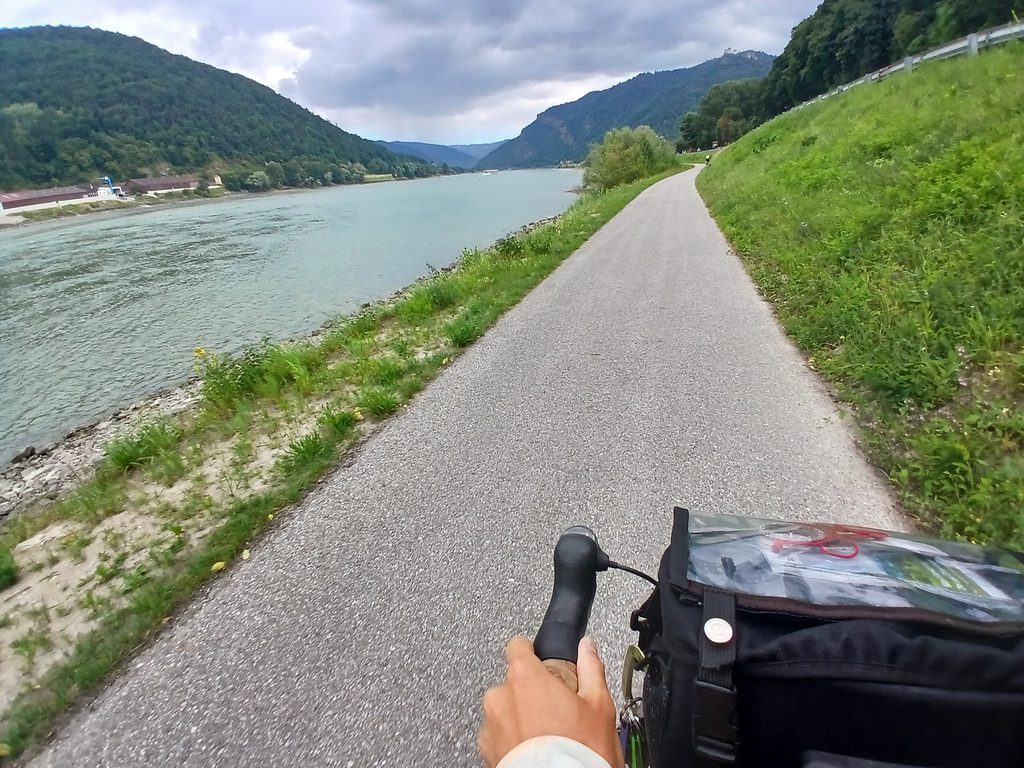
- Linear networks of greenways and river corridors provided me and thousands of others, safe, car-free active travel routes. The Rhine, Main, and Danube bike paths ensured a positive experience for many miles between bigger built up areas. Riding along the River Main into Frankfurt, one might expect a perceivable increase in pollutant load upon entering the inner city, but due to Frankfurt’s thoughtful city planning whereby Luftleitbahnen (translating roughly to “airflow channels”) are built into the city, this didn’t appear to be the case. These are strategically mapped zones designed to let fresh air from the surrounding countryside flow uninterrupted into the more dense urban core. They are the city’s active breathing zones, lungs, where vehicle exhausts and other pollutants can actively be flushed away by regional air currents. In one of Germany’s hottest cities this is one mitigation against the urban heat island effect and helps to connect the rural to the urban and cement cycling as a more viable and comfortable, climate resilient form of inter-city travel.
- The trip also highlighted an awareness we should all maintain for small pollution sources directly around us. This became noticeable on many occasions after the day of observing ‘excellent’ air, simply firing up my camping stove would immediately send the monitored score down. Frying food and fuel combustion generate a local higher concentration of PM and VOCs right at handlebar height that even in the great and well-ventilated outdoors, can still be measurable. Our proximity and exposure to combustion and cooking should always be an important consideration, whether indoors or otherwise. Thinking about the impact of air pollution isn’t just about where you are on the map or how the wider climate system is functioning, but also what you are doing in that exact meter square or two of space.
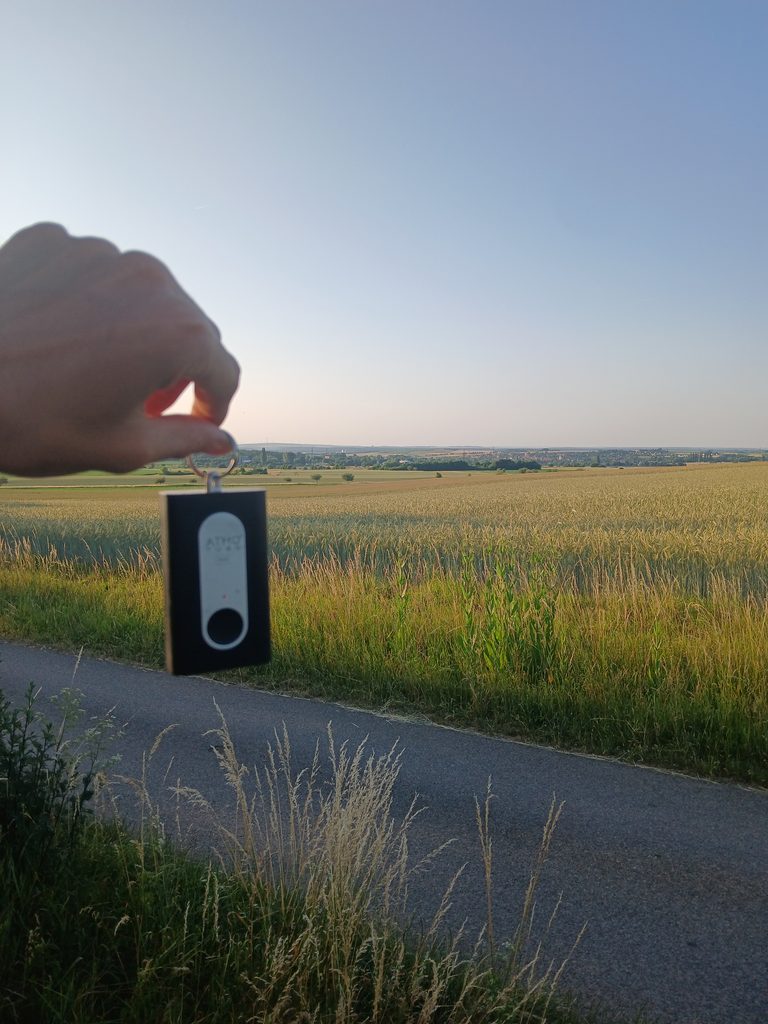
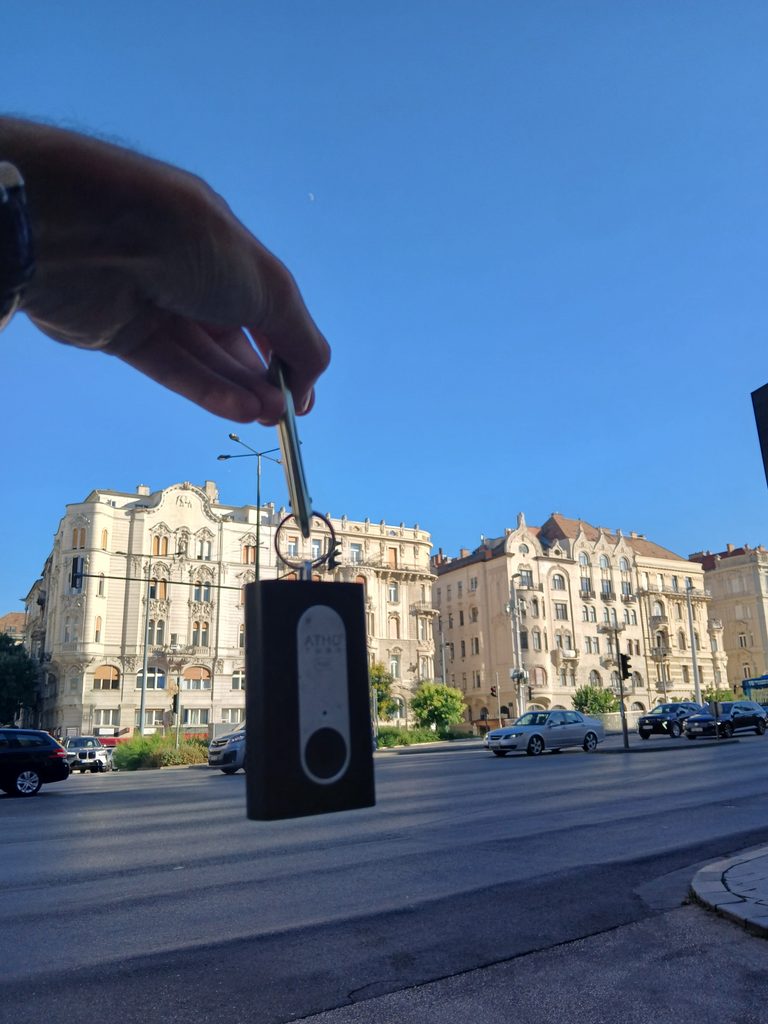
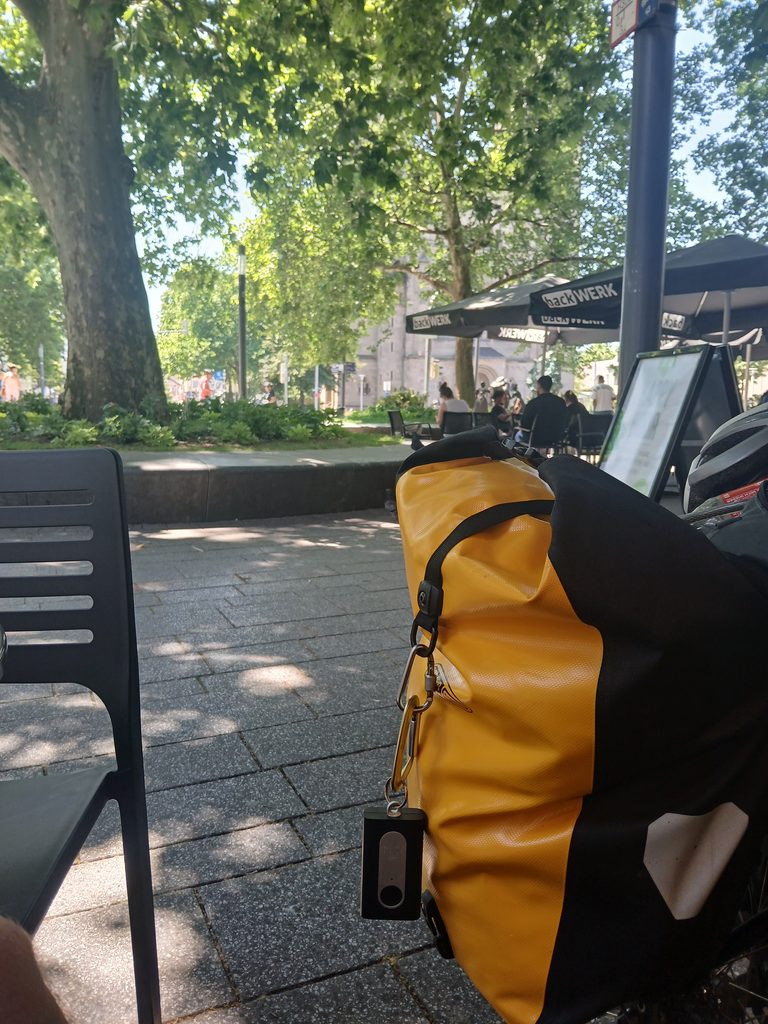
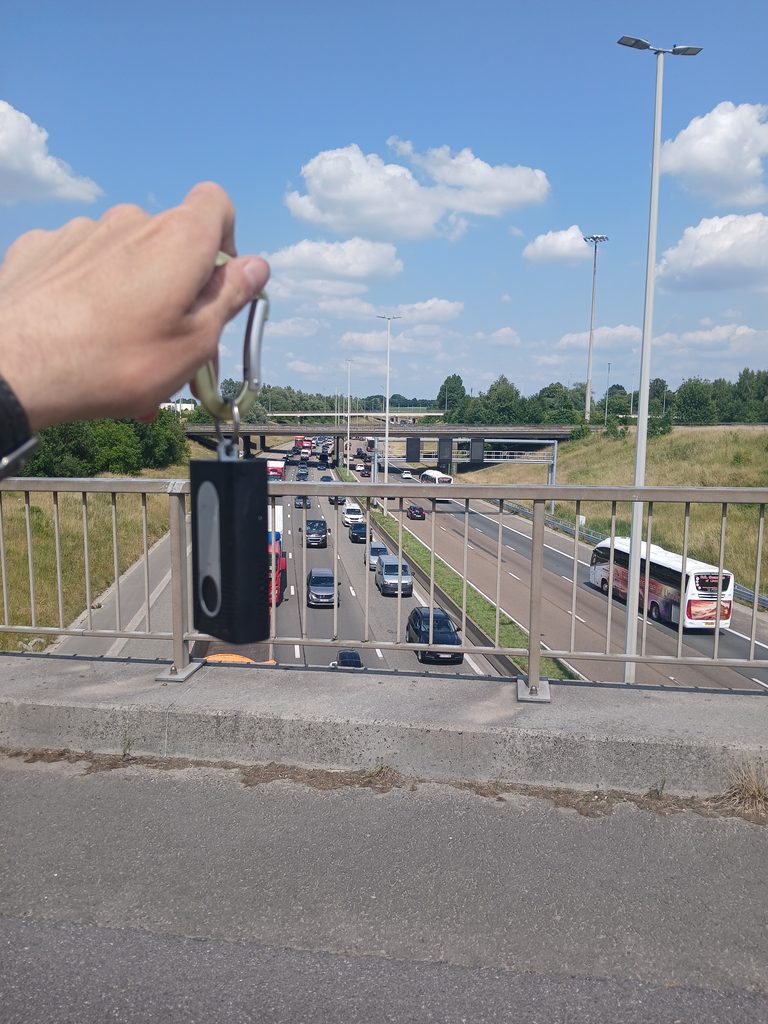
If we only pay attention to our surroundings when they are broken, we lose our sense of calibration. Knowing what clean air feels like and learning how climate and land-uses, and our own actions, interact helps us to make better choices about how we travel and move in a healthier way. Pedalling across Europe with an air quality monitor didn’t result in a shocking exposé on European pollution, instead it offered something far more valuable: a daily routine of keeping curious to the invisible air flows of the world around me.
Doug
Leave a Reply